
2026.01.10
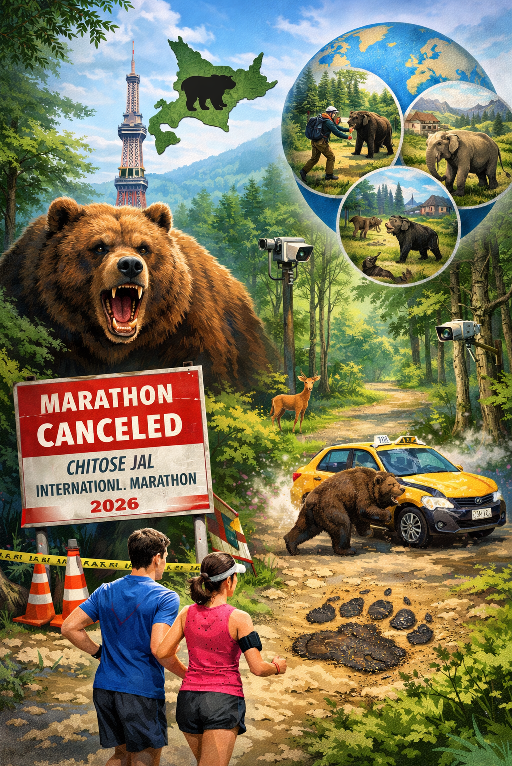
Last year, Japan experienced an unprecedented surge in sightings of wild bears wandering into towns and residential areas. In search of food, bears appeared near schools, train stations, and private homes, sometimes injuring people. The situation became so serious that news about bear encounters was reported almost daily across the country. Against this backdrop, a surprising decision was recently announced in northern Japan.
The Chitose JAL International Marathon, a popular annual race held every June in Chitose City, Hokkaido, has been canceled for 2026 due to concerns over bear activity
. This marks the first time in the event’s 45-year history that it has been called off because of wildlife, rather than natural disasters or the COVID-19 pandemic.
The marathon is well known for its scenic course, which winds through lush forests during the fresh green season of early summer. In the previous event, about 7,400 runners took part, enjoying the rare chance to run through pristine woodland. However, this very natural richness also brings risks. Ten days after the last race, a bear collided with a taxi near Aoba Park, close to the starting area. The following day, bear footprints were found in a nearby residential garden, raising serious safety concerns.
After careful discussion, the organizing committee concluded that the situation had entered “a completely different dimension” and that ensuring the safety of runners and staff would be extremely difficult. Plans are now underway to study countermeasures with wildlife experts, including improved monitoring and course management, in hopes of reviving the event in the future
.
Is this kind of problem unique to Japan? In fact, conflicts between humans and wild animals are a global issue. In North America, encounters with bears sometimes lead to the closure of hiking trails or campsites. In parts of India and Africa, elephants may damage crops or enter villages, while in Europe, wolves and wild boars are increasingly spotted near urban areas. What makes Japan’s situation distinctive is its geography: mountainous terrain, dense forests, and rapidly aging rural communities where human activity has declined, allowing wildlife to move closer to towns.
The cancellation of a major marathon in Hokkaido highlights how closely Japan’s natural beauty and its risks are intertwined. It also reminds us that living alongside nature—whether in Japan or elsewhere—requires constant adaptation, respect, and careful balance.
クマによって中止されたマラソン――日本で広がる野生動物との課題
昨年、日本では、野生のクマが町や住宅地に出没する件数が、前例のないほど急増しました。えさを求めて、クマは学校の近くや駅、一般家庭の敷地内にまで姿を現し、人が負傷するケースもありました。事態は深刻さを増し、クマとの遭遇に関するニュースが、全国でほぼ毎日のように報じられる状況となりました。こうした背景の中、日本の北部で、驚くべき決定が発表されました。
北海道千歳市で毎年6月に開催されている人気の大会、「千歳JAL国際マラソン」が、クマの出没への懸念から、2026年の開催を中止することになりました。これは、45年の歴史を持つこの大会にとって、自然災害や新型コロナウイルスの流行ではなく、野生動物を理由とする初めての中止です。
このマラソンは、初夏の新緑の季節に、豊かな森林の中を走ることができる景観の美しいコースで知られています。前回大会では、約7,400人のランナーが参加し、手つかずの森の中を走るという貴重な体験を楽しみました。しかし、この自然の豊かさそのものが、同時にリスクも伴っています。前回大会から10日後、スタート地点に近い青葉公園付近で、クマがタクシーと衝突する事故が発生しました。さらにその翌日には、近隣の住宅の庭先でクマの足跡が発見され、安全面での深刻な懸念が高まりました。
慎重な協議の結果、実行委員会は、この状況が「これまでとはまったく異なる次元に入った」と結論づけ、ランナーやスタッフの安全を確保することが非常に困難であると判断しました。今後は、野生動物の専門家と連携し、監視体制の強化やコース管理の改善などの対策を研究しながら、将来的な大会再開を目指すとしています。
では、このような問題は日本特有のものなのでしょうか。実際には、人間と野生動物との衝突は、世界的な課題です。北米では、クマとの遭遇によって、ハイキングコースやキャンプ場が閉鎖されることがあります。インドやアフリカの一部地域では、ゾウが農作物を荒らしたり、村に入り込んだりすることがあります。またヨーロッパでは、オオカミやイノシシが都市部の近くで目撃される例が増えています。
日本の状況を特徴づけているのは、その地理的条件です。山が多く、森林が密集していること、そして人の活動が減少した高齢化の進む地方が多いことにより、野生動物が人里へと近づきやすくなっています。
北海道で主要なマラソン大会が中止されたという出来事は、日本の自然の美しさと、その裏にある危険性が、いかに表裏一体であるかを浮き彫りにしています。そしてそれは、日本に限らず世界のどこであっても、自然と共に生きるためには、絶え間ない工夫と敬意、そして慎重なバランスが必要であることを、私たちに思い起こさせます。