In Osaka, a city famous for its vibrant food culture and warm hospitality, there is a hot pot dish that embodies elegance, seasonality, and a touch of daring: tecchiri, Japan’s celebrated pufferfish hot pot. While Osaka is known for hearty street foods like takoyaki and okonomiyaki, tecchiri represents the refined side of the city’s cuisine.
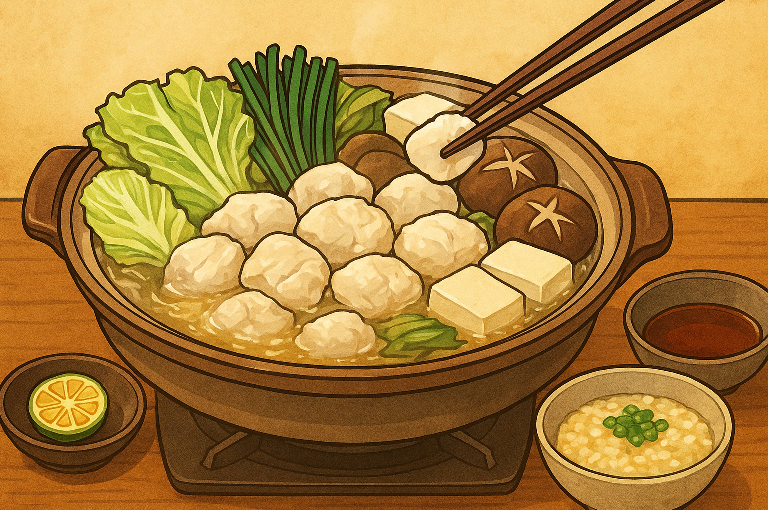
At the center of tecchiri is fugu, or pufferfish—one of Japan’s most iconic winter delicacies. Only licensed chefs are allowed to prepare it, ensuring that every slice is handled with expertise and care. The fish is simmered gently in a light kombu broth along with tofu, mushrooms, cabbage, and seasonal vegetables. As the ingredients cook, the broth absorbs the subtle, clean flavor of the fugu, creating a soup that is surprisingly delicate despite the dish’s bold reputation.
One of the highlights of the tecchiri experience is the texture of the fish itself. Fugu is firm yet tender, offering a satisfying bite unlike any other seafood. Diners often enjoy it with ponzu sauce, which adds a bright citrus note to each piece. Toward the end of the meal, the remaining broth—now enriched with the flavors of fish and vegetables—is used to make zōsui, a comforting rice porridge that brings the feast to a gentle finish.
Historically, Osaka became a center for fugu cuisine during the Edo period, and the city has maintained its reputation as a destination for the finest preparations. Today, enjoying tecchiri in Osaka is considered a winter tradition and a culinary adventure for travelers seeking an authentic and memorable Japanese dining experience.
Tecchiri is more than a hot pot—it is a ritual of skill, seasonality, and appreciation of subtle flavors, offering a glimpse into the artistry of Osaka’s cuisine.
As a playful touch unique to Osaka, even the name tecchiri carries a story. Fugu was once nicknamed “teppō”—meaning “gun”—because, as people joked, “getting hit by either a pufferfish’s poison or a bullet could be deadly.” Over time, teppō was shortened to “techi,” and combined with “chiri,” referring to the way fish curls in hot broth, the dish came to be known as tecchiri.
てっちり(大阪)
大阪では、活気ある食文化と温かいおもてなしで有名なこの街に、優雅さ、季節感、そして少しの大胆さを体現する鍋料理があります。それが、日本で称えられるフグ鍋「てっちり」です。大阪は、たこ焼きやお好み焼きのようなボリュームのある屋台料理で知られていますが、てっちりはこの街の食文化の洗練された側面を表しています。
てっちりの中心にあるのは フグ、すなわち日本で最も代表的な冬の珍味のひとつであるふぐです。調理を許可された免許を持つ料理人だけが、専門知識と注意をもってそのすべての切り身を扱うことができます。魚は、軽い昆布だしの中で、豆腐、キノコ、キャベツ、季節の野菜と一緒にゆっくりと煮込まれます。具材が調理されるにつれて、だしはフグのほのかで清らかな味を吸い込み、この料理の大胆な評判とは対照的に、驚くほど繊細なスープを生み出します。
てっちりの楽しみのひとつは、魚そのものの食感です。フグは歯応えがありながら柔らかく、他のどの魚介とも違う満足のいく噛みごたえがあります。食べる際にはポン酢がよく添えられ、各ひと口に明るい柑橘の風味を加えます。食事の終盤には、魚や野菜の風味が染み込んだ残りのだしを使い、雑炊を作ることが一般的で、宴をやさしく締めくくる心地よい仕上げとなります。
歴史的に見ると、大阪は江戸時代にフグ料理の中心地となり、この街は最高の調理法を提供する場所としての評判を保ち続けてきました。今日では、大阪でてっちりを味わうことは冬の伝統であり、本物の、そして忘れがたい日本の食体験を求める旅行者にとって料理の冒険とされています。
てっちりは単なる鍋料理ではなく、技、季節、そして繊細な味わいへの感謝が込められた儀式であり、大阪の料理の芸術性を垣間見せてくれます。
大阪に特有の遊び心として、てっちりという名前そのものにも物語があります。
フグはかつて “teppō(鉄砲)” とあだ名されていました――「フグの毒でも弾丸でも、当たれば命取りになりうる」と人々が冗談めかして言っていたからです。
時間が経つにつれ、teppō は “techi(てち)” に短縮され、“ちり”――魚が熱い出汁の中で縮れる様子を指す言葉――と組み合わさって、この料理はてっちりとして知られるようになりました。