2026.01.17
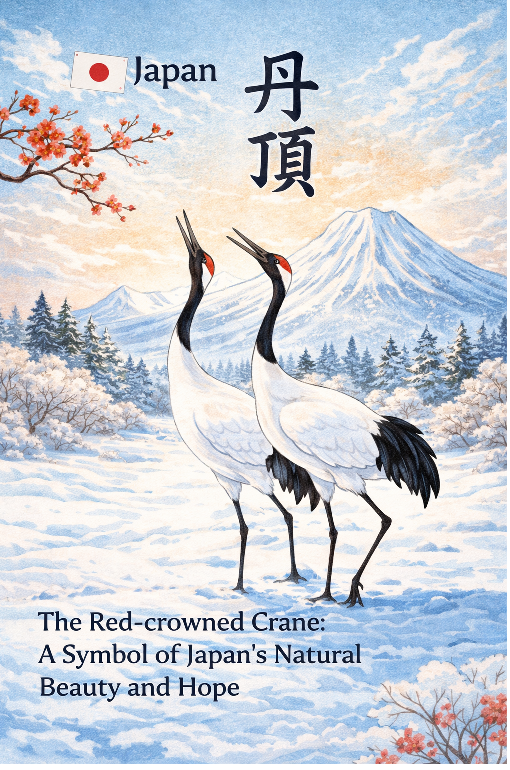
The red-crowned crane, known in Japan as Tancho, is one of the country’s most iconic and beloved birds. Designated as Japan’s national bird, it has long been admired for its striking appearance: pure white feathers contrasted by black wing tips, and a vivid red patch on the crown of its head. With its elegant posture and slow, graceful movements, the tancho has inspired poetry, art, and folklore for centuries.
Recently, encouraging news has emerged about this magnificent bird. According to the first winter survey of the current season conducted in Hokkaido, the number of red-crowned cranes confirmed across the island reached 1,136—an increase of 160 compared to the previous year. This marks the second-highest count ever recorded in a first winter survey, showing that the population continues to recover steadily .
Another notable trend is the expansion of the cranes’ habitat. While eastern Hokkaido has traditionally been their main stronghold, sightings are now spreading to other regions as well. Experts point out that changes in agricultural landscapes, such as wide farmlands where cranes can find leftover grain after harvest, have helped support this growth in numbers .
This recovery is especially meaningful given the bird’s history. The red-crowned crane once stood on the brink of extinction in Japan. Thanks to long-term conservation efforts, including protected habitats and winter feeding programs, the population has rebounded dramatically. In fact, a survey conducted last January recorded a record high of 1,927 cranes nationwide .
For many Japanese people, the tancho is more than just a rare bird—it is a symbol of longevity, good fortune, and harmony between humans and nature. Watching a pair perform their elegant courtship dance against the snowy landscapes of Hokkaido is often described as a once-in-a-lifetime experience.
As conservation efforts continue and the cranes’ range slowly expands, the red-crowned crane remains a powerful reminder that even species pushed to the edge can recover, when people choose to protect the natural beauty they cherish.
タンチョウ ― 日本の自然美と希望の象徴
タンチョウは、日本では「丹頂(タンチョウ)」として知られ、日本で最も象徴的で人々に愛されている鳥の一つです。日本の国鳥に指定されており、その際立った姿で長く称賛されてきました。純白の羽毛に黒い翼の先端、そして頭頂部にある鮮やかな赤い斑点という対照的な美しさを持っています。気品ある立ち姿と、ゆったりとした優雅な動きは、何世紀にもわたって詩や芸術、そして民間伝承にインスピレーションを与えてきました。
最近、この壮麗な鳥に関する明るいニュースが伝えられました。北海道で実施された今季最初の越冬調査によると、道内で確認されたタンチョウの数は1,136羽に達し、前年と比べて160羽増加しました。これは、1回目の冬期調査としては過去2番目に多い記録であり、個体数が着実に回復し続けていることを示しています。
もう一つ注目すべき点は、生息域の拡大です。これまでタンチョウの主な生息地は道東でしたが、現在では他の地域にも目撃例が広がっています。専門家は、収穫後に落ちた穀物を見つけやすい広大な農地など、農業景観の変化が個体数の増加を支えていると指摘しています。
この回復は、タンチョウの歴史を考えると、特に大きな意味を持っています。タンチョウはかつて、日本で絶滅の危機に瀕していました。保護された生息地の整備や冬期の給餌活動など、長年にわたる保全の取り組みのおかげで、その数は劇的に回復しました。実際、昨年1月に行われた調査では、全国で1,927羽という過去最多の記録が報告されています。
多くの日本人にとって、タンチョウは単なる希少な鳥ではありません。それは、長寿、幸運、そして人と自然の調和の象徴です。雪に覆われた北海道の大地を背景に、つがいのタンチョウが優雅な求愛の舞を披露する光景は、一生に一度は見たい体験だとよく言われます。
保全活動が続き、タンチョウの生息域がゆっくりと広がる中で、この鳥は、人々が大切に守ろうとする自然の美しさを選び取ったとき、絶滅の淵に追いやられた種でさえ回復できるという力強いメッセージを今も伝え続けています。